
Single-Sex Spaces: What Employers Actually Need Enhanced DBS Checks: What Changed for Contractors This Year
If your business engages self-employed workers or contractors in roles involving children or vulnerable adults — tutors, carers, coaches, therapists — this quiet January change is worth knowing about, particularly if you’re used to the old process for arranging their checks.
A quick explainer of the terms you’ll see
- DBS check — a background check run by the Disclosure and Barring Service, used to help make safer recruitment decisions, particularly for roles involving contact with children or vulnerable adults.
- Basic DBS check — the simplest level, showing only unspent convictions. Anyone can apply for this themselves, with no eligibility requirements.
- Enhanced DBS check — a more detailed check, including relevant information held by local police, used for eligible roles involving regulated work with children or vulnerable adults.
- Enhanced with Barred List(s) — an Enhanced check that also confirms whether someone appears on the Children’s or Adults’ Barred List.
- Registered Body / Umbrella Body — organisations authorised to process Enhanced DBS check applications. Previously, only these bodies (acting for an employer) could initiate an Enhanced check.
What changed
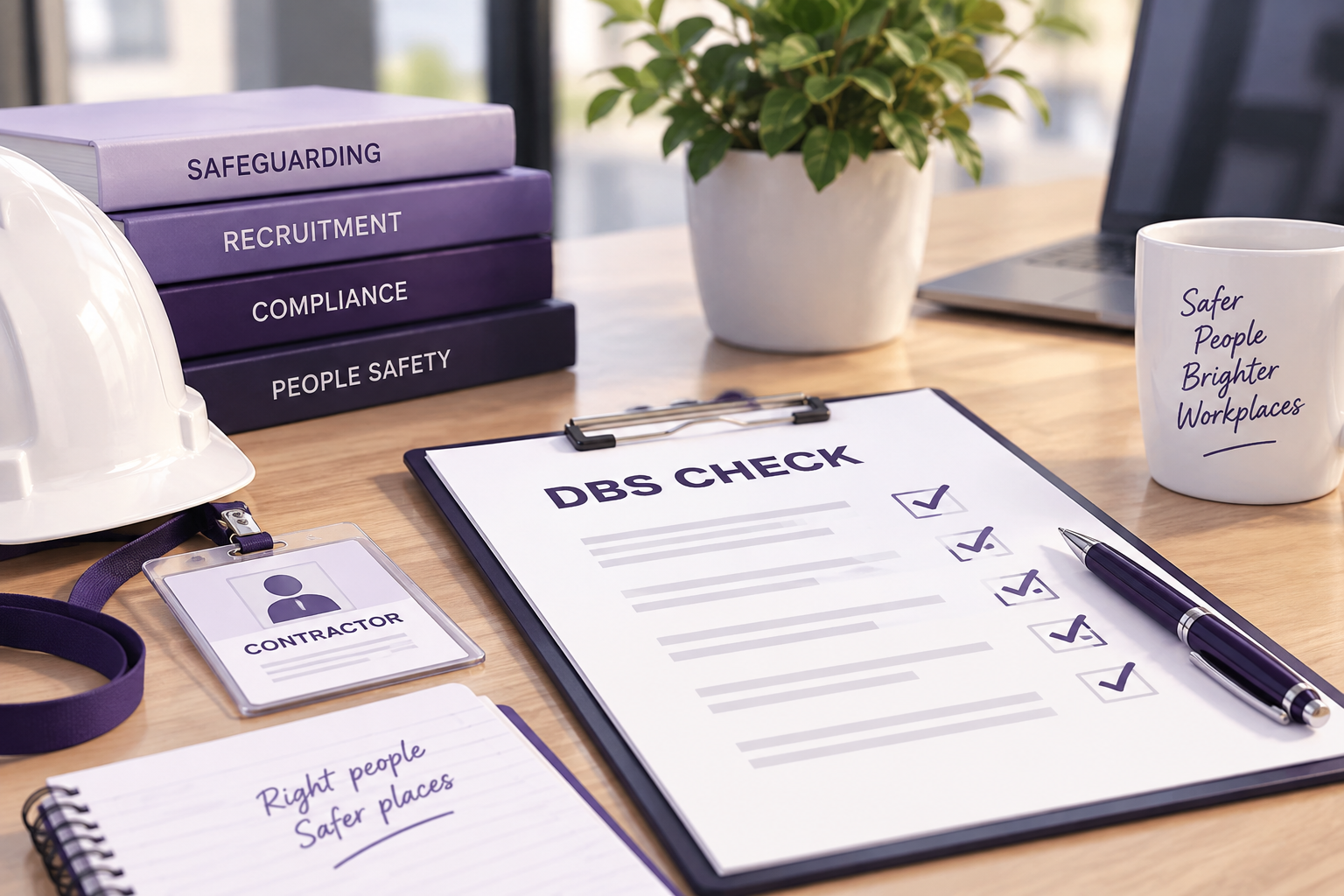
Until January 2026, an Enhanced DBS check could only be applied for through an employer or another sponsoring organisation acting as a Registered Body or Umbrella Body — a self-employed person working directly for individual clients, without a sponsoring organisation, simply couldn’t get one, even if their role genuinely required it.
From 21 January 2026, that changed. Eligible self-employed individuals and personal employees can now apply directly for Enhanced and Enhanced with Barred List(s) DBS checks themselves, through a DBS umbrella body — without needing an employer or agency to sponsor or initiate the application on their behalf.
This specifically helps groups like private tutors, freelance carers and support workers, independent therapists, and sports coaches — people who work directly with children or vulnerable adults but aren’t employed through a traditional organisation.
What this means if you engage contractors
This is genuinely useful to understand correctly, because the practical effect cuts both ways:
- If you’re hiring a self-employed worker or personal employee who needs an Enhanced check, you can no longer apply for it on their behalf. They now need to arrange this themselves, through a DBS umbrella body — not through your organisation.
- This means contractors can now “own” and reuse their own Enhanced DBS check across different clients, rather than needing a fresh check arranged by each new engager — provided the clients accept reuse of an existing check.
- Basic DBS checks are unaffected — self-employed people could already apply for these directly, and that hasn’t changed.
- If your organisation already has an established process for checking self-employed contractors or affiliates, that process should generally continue to work as before — this change specifically opens up a route that previously didn’t exist, rather than removing an existing one.
Why this matters for care, education, and similar sectors
If your business regularly engages self-employed tutors, carers, coaches, or similar contractors, this is a practical process change worth understanding clearly — particularly the point that you can no longer initiate an Enhanced check on their behalf. Getting this wrong (assuming you can still apply for them, or not realising the process has changed) risks a safeguarding gap, where a role that should be covered by an Enhanced check isn’t, simply because of confusion over who now needs to arrange it.
What employers should do now
- Update your onboarding process for self-employed contractors in eligible roles, so it reflects that they now need to arrange their own Enhanced check, not you.
- Confirm what level of check each contractor role genuinely requires — Basic checks remain unaffected, so only roles needing Enhanced level are affected by this change.
- Consider accepting reused Enhanced checks where a contractor already holds a current one from another engagement, rather than requiring a fresh application each time.
- Brief anyone in your business responsible for engaging contractors on this change, so it doesn’t get missed simply because “we’ve always arranged the DBS check” was true until January.
- Keep your safeguarding policies and recruitment of ex-offenders policy up to date to reflect the current process, alongside any other document review you’re doing this autumn.
How Cheviot HR can help
Safeguarding processes need to keep pace with changes like this one, particularly where the practical “who does what” has shifted. We can review your current contractor onboarding and safeguarding checks against this updated process, and help make sure nothing falls through the gap between the old and new approach.
Get in touch at heidi@cheviothr.co.uk or visit https://cheviothr.co.uk to talk through what this means for your business.
Ready for 1 January 2027?
Our free two-page checklist shows exactly what employers need to sort before the new rules start, from six-month unfair dismissal rights to the new trade union statement.
Get the free checklist